Vintage Daisy Seamless Patterns: A Versatile Design Resource for Creative Workflows
Designers, marketers, and small business owners often seek visual assets that offer both aesthetic appeal and functional flexibility. The Vintage Daisy Seamless Patterns collection meets this need by providing a curated set of digital papers that combine retro charm with modern usability. Whether you're working on branding materials, packaging, or digital content, this pattern set can enhance your creative output while streamlining your workflow.
Understanding the Design Elements and Aesthetic
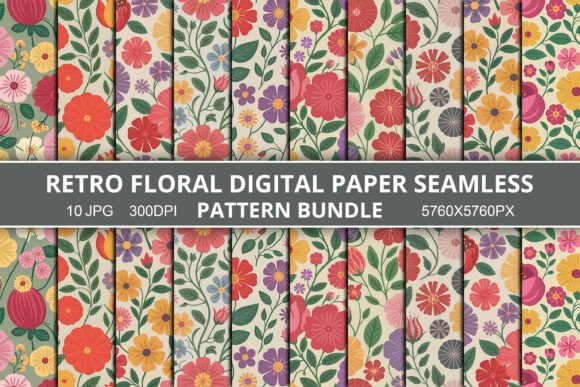
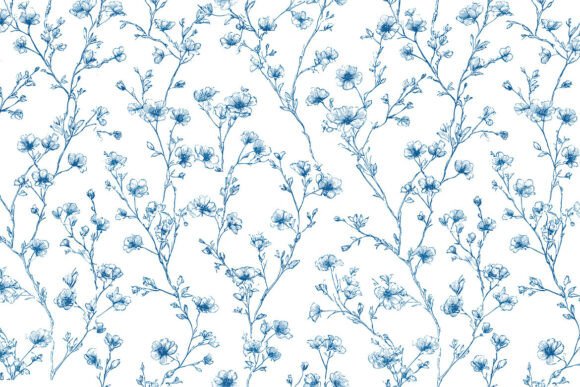
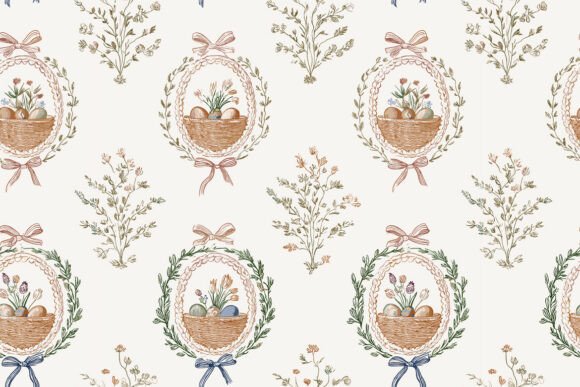
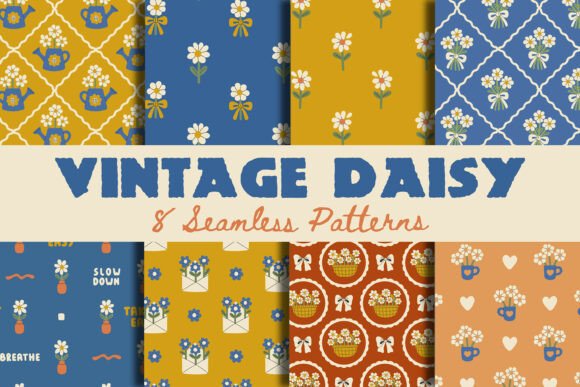
The Vintage Daisy Seamless Patterns collection draws inspiration from delicate daisies and chamomile blooms, blending vintage motifs with contemporary coquette styling. Each pattern features hand-drawn illustrations arranged in a flat vector style, ensuring clarity and adaptability across various design contexts. Key decorative elements include watering cans, mugs, baskets, hearts, bows, ribbons, and lace, all contributing to a soft, nostalgic charm.
These patterns are available in both JPG and EPS formats, with a resolution of 300 dpi and a canvas size of 3600 x 3600 pixels. This high-quality output ensures that the designs remain crisp and detailed, whether used for print or digital applications.
Integrating Vintage Daisy Patterns into Your Creative Process
Before diving into a project, it's essential to assess how visual assets like the Vintage Daisy Seamless Patterns fit into your broader design strategy. These patterns serve as a foundation for a variety of creative tasks, including:
- Creating custom packaging and product labels
- Designing invitations, stationery, and greeting cards
- Enhancing digital marketing assets such as social media posts and banners
- Developing cohesive branding materials with a nostalgic aesthetic
Because each pattern is seamless, they can be tiled indefinitely without visible repetition, making them ideal for backgrounds in both print and web design. This feature simplifies the layout process, especially when working on large-format projects such as posters or fabric prints.
Preparation and Compatibility Considerations
Before incorporating the Vintage Daisy Seamless Patterns into your workflow, ensure that your design software supports EPS vector files and high-resolution JPGs. Adobe Illustrator, Photoshop, InDesign, and Canva all offer compatibility with these formats. For those using web-based tools, it's advisable to convert EPS files to PNG or SVG if needed for transparency or scalability.
Organizing your digital assets is another important step. Create a dedicated folder for the pattern files and consider naming conventions that reflect the pattern style (e.g., “vintage-daisy-ribbon,” “chamomile-basket”). This practice improves efficiency and ensures consistency across team-based or long-term projects.
Practical Use Cases Across Industries
The versatility of the Vintage Daisy Seamless Patterns makes them applicable across multiple industries and use cases. Here are a few examples of how different professionals can integrate them into their work:
- Branding and Marketing: Small business owners and marketers can use these patterns in social media templates, promotional flyers, and email headers to maintain a consistent visual identity with a nostalgic touch.
- Product Design: Print-on-demand creators can apply these patterns to tote bags, mugs, and notebooks, leveraging the seamless format to ensure continuity across product surfaces.
- Event Planning: Wedding planners and event coordinators can incorporate these designs into invitations, thank-you cards, and decorative signage for garden-themed events.
- Educational Materials: Teachers and content creators can use the patterns as backgrounds for worksheets, presentation slides, and printable planners to add visual appeal without distracting from content.
Workflow Tips for Efficient Implementation
To maximize the value of the Vintage Daisy Seamless Patterns, consider the following practical implementation strategies:
- Start with a Mood Board: Before selecting specific patterns, create a mood board that reflects your project’s theme and color palette. This helps in choosing the most complementary patterns.
- Use Layers for Flexibility: In design software like Photoshop or Illustrator, place the pattern layer beneath text or graphics to ensure readability while maintaining a decorative background.
- Test for Print: If using for physical products, print a sample to verify color accuracy and pattern alignment, especially when tiling across large areas.
- Optimize for Web: For digital use, compress the JPG files without compromising quality to ensure fast loading times on websites and social media platforms.
Quality Control and Long-Term Use
One of the key advantages of the Vintage Daisy Seamless Patterns is their longevity. Because they are rooted in timeless aesthetics, they remain relevant across seasons and trends. To ensure consistent quality over time:
- Store the original files in a cloud-based asset management system for easy access and version control.
- Create a style guide if working with a team, specifying which patterns align with your brand’s visual identity.
- Periodically audit your design library to assess which patterns are used most frequently and why.
Collaboration and Team Integration
When working with multiple stakeholders, it’s important to establish a shared understanding of how the Vintage Daisy Seamless Patterns will be used. For example, in a branding project, the marketing team might use the patterns for social media, while the packaging team applies them to product labels. Ensuring alignment on file formats, color profiles, and usage guidelines helps maintain consistency and efficiency across departments.
Additionally, consider creating a shared template library that includes pre-formatted design files using these patterns. This reduces redundant work and allows team members to focus on customization rather than setup.
Conclusion: Enhancing Design Workflows with Vintage Aesthetics
The Vintage Daisy Seamless Patterns collection offers a practical solution for professionals seeking to infuse their projects with a nostalgic yet modern visual style. By understanding how these patterns integrate into existing workflows, preparing files for compatibility, and applying them strategically across use cases, designers and creators can elevate their output with minimal effort. Whether you're working independently or as part of a team, this pattern set serves as a valuable asset that supports both creative expression and operational efficiency.