Exploring the Power of Thin Line Web Icons in Modern Design
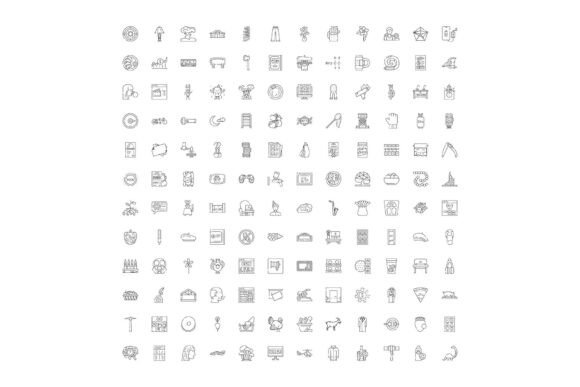
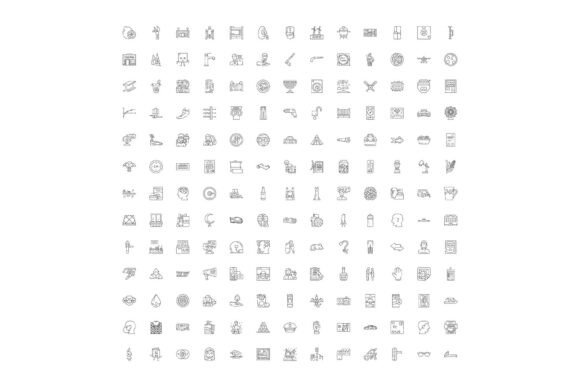
Thin line web icons have become a cornerstone of modern digital design, offering a sleek, minimalist aesthetic that enhances user interfaces across websites and applications. Whether you're designing a mobile app, a dashboard, or a corporate website, the collection of thin line web icons provides a versatile and scalable solution for visual communication. These icons are not only visually appealing but also functional, helping users navigate digital environments with ease and clarity.
What Are Thin Line Web Icons?
Thin line web icons are minimalist illustrations that use fine strokes to represent actions, objects, or concepts. Unlike bold or filled icons, thin line icons emphasize simplicity and elegance, often appearing more modern and less intrusive in a design layout. These icons are typically scalable vector graphics (SVGs), which means they maintain their clarity at any size—making them ideal for responsive web and mobile design.
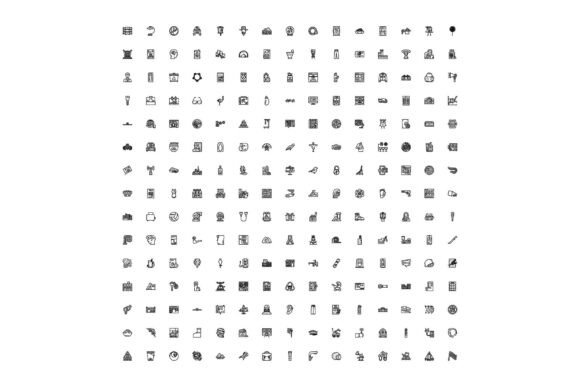
A large collection of diverse thin line web icons can include thousands of symbols covering a wide range of categories such as technology, health, education, finance, travel, and more. This variety ensures that designers can find the perfect icon to match the tone and purpose of their project.
Why Thin Line Icons Matter in UI/UX Design
In the fast-paced world of digital design, usability and visual harmony are paramount. Thin line icons contribute to both by offering a clean and intuitive visual language that users can quickly understand. Here's why they are so significant:
- Clarity and Simplicity: Thin line icons eliminate visual clutter, allowing users to focus on the core content and functionality of an interface.
- Consistency: A well-organized collection of thin line icons ensures visual consistency across platforms and devices, which is crucial for brand recognition.
- Adaptability: Because they are often SVG-based, thin line icons scale seamlessly across different screen sizes and resolutions.
- Modern Aesthetic: Thin lines align with current design trends that favor minimalism and flat design, making them a go-to choice for contemporary UI/UX projects.
How Thin Line Icons Enhance User Experience
User experience (UX) is all about making digital interactions intuitive, efficient, and enjoyable. Thin line icons play a crucial role in achieving this by serving as visual cues that guide users through an interface. For example, a magnifying glass icon signals a search function, while a house icon typically represents the homepage.
When used effectively, thin line icons can:
- Reduce cognitive load by replacing text with universally recognized symbols
- Improve navigation by clearly indicating functions and actions
- Enhance accessibility when paired with proper alt text and labels
- Create a cohesive visual identity that aligns with brand aesthetics
Designers often pair thin line icons with bold typography or subtle background colors to maintain visual balance and hierarchy. This approach ensures that the icons remain noticeable without overwhelming the overall design.
Practical Applications Across Industries
The collection of thin line web icons for UI design is incredibly versatile, making it suitable for a wide array of industries and use cases. Let's explore how different sectors benefit from these icons:
1. Technology & Software
Software applications, especially SaaS platforms, rely heavily on icons to represent features and tools. Thin line icons provide a clean, modern look that complements dashboards, settings panels, and toolbars.
2. Education & E-Learning
In e-learning platforms, thin line icons help categorize courses, indicate progress, and highlight interactive elements like quizzes or videos. Their simplicity makes them ideal for both children's apps and professional training environments.
3. Healthcare & Wellness
Medical apps and wellness platforms use thin line icons to convey health metrics, activity levels, and treatment plans. Icons representing heart rate, sleep cycles, or exercise routines help users quickly interpret data.
4. E-Commerce & Retail
Online stores use thin line icons to represent shopping carts, wishlists, user profiles, and product filters. These icons streamline the shopping experience and improve site navigation.
5. Travel & Transportation
Travel apps and websites use icons to represent airports, hotels, maps, and transportation options. Thin line icons offer a clean way to display complex information without overwhelming users.
Choosing the Right Thin Line Icon Collection
With so many resources available, it's essential to choose a large collection of diverse thin line web icons that meets your design needs. Consider the following factors when selecting a set:
- Comprehensiveness: Ensure the collection includes icons for common and niche use cases relevant to your industry.
- Customization Options: Look for icons that can be easily recolored, resized, or combined with other design elements.
- Licensing: Verify that the icons are available under a license that permits commercial use if needed.
- Compatibility: Choose SVG or web font formats that integrate smoothly with your development tools and frameworks.
Popular platforms like Flaticon, FontAwesome, and IconArchive offer extensive libraries of thin line icons, often with filters and preview tools to help you find the perfect match for your project.
Best Practices for Using Thin Line Icons
To get the most out of thin line web icons, follow these design best practices:
- Use Consistent Line Thickness: Mixing icons with varying stroke widths can create a disjointed look. Stick to a uniform style throughout your design.
- Pair with Appropriate Typography: Thin line icons work well with sans-serif fonts, which share a similar clean and modern aesthetic.
- Optimize for Accessibility: Always include alt text or labels for icons that convey critical functionality, especially for screen reader users.
- Test Across Devices: Make sure icons remain legible and functional on mobile, tablet, and desktop views.
Conclusion: The Value of Thin Line Icons in Modern Design
In today's digital landscape, thin line web icons are more than just decorative elements—they are essential tools for enhancing usability, aesthetics, and brand identity. Whether you're building a mobile app, redesigning a website, or developing a digital dashboard, a comprehensive collection of thin line web icons offers the flexibility and scalability needed to create modern, user-friendly interfaces.
By understanding the purpose and potential of these icons, designers can make informed choices that elevate their work and improve the user experience. As design trends continue to evolve, thin line icons remain a timeless and effective solution for visual communication in the digital age.